Designing and Shipping my first iOS App with AI
Design Engineer • Independent
I designed and shipped an iOS app using an AI-augmented workflow, without writing traditional code. RetroRec is a Braun inspired voice recorder built to capture audio ideas with personality.
Learn more about corporate cards
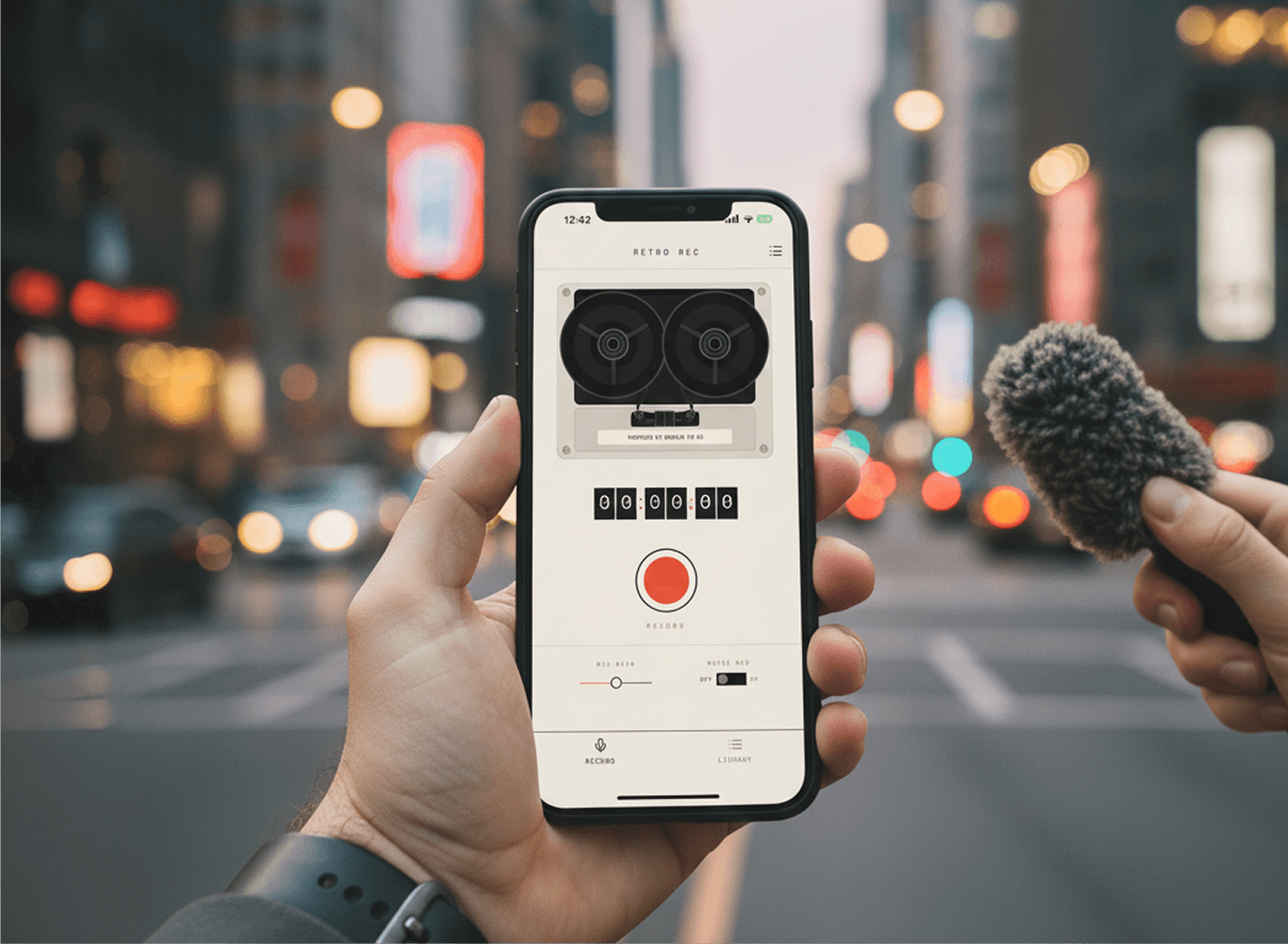
The Opportunity
As a musician and DJ, recording audio is part of the creative process, yet most recording apps feel transactional rather than expressive. I wanted a recorder that felt closer to a digital utilitarian product inspired from Dieter Rams’ work at Braun, particularly the Braun TG-60 reel-to-reel recorder.
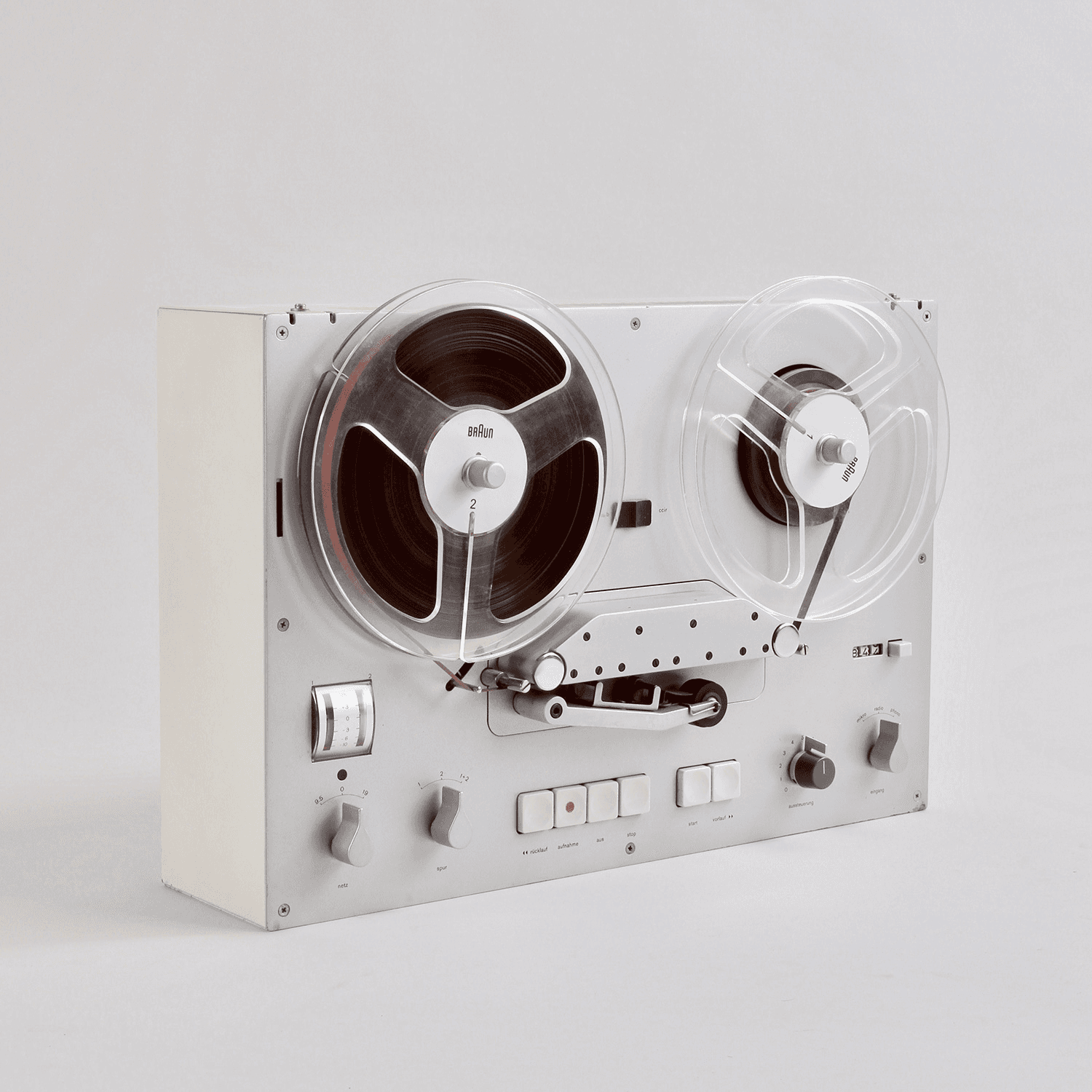
The Braun TG-60 reel-to-reel recorder designed by Dieter Rams in 1965. Its clarity of layout and tactile simplicity influenced the design direction for RetroRec. Reference ↗
Defining a Buildable Product
This project explored whether an experienced product designer could use modern AI tools to move from idea → design → build → App Store launch independently. Rams’ principles—clarity, honesty, and usefulness became the guiding constraints for the app.
Voice recording fit those constraints well. The interaction model is inherently simple: capture, review, and organize audio. The challenge therefore wasn’t feature complexity, it was design expression.
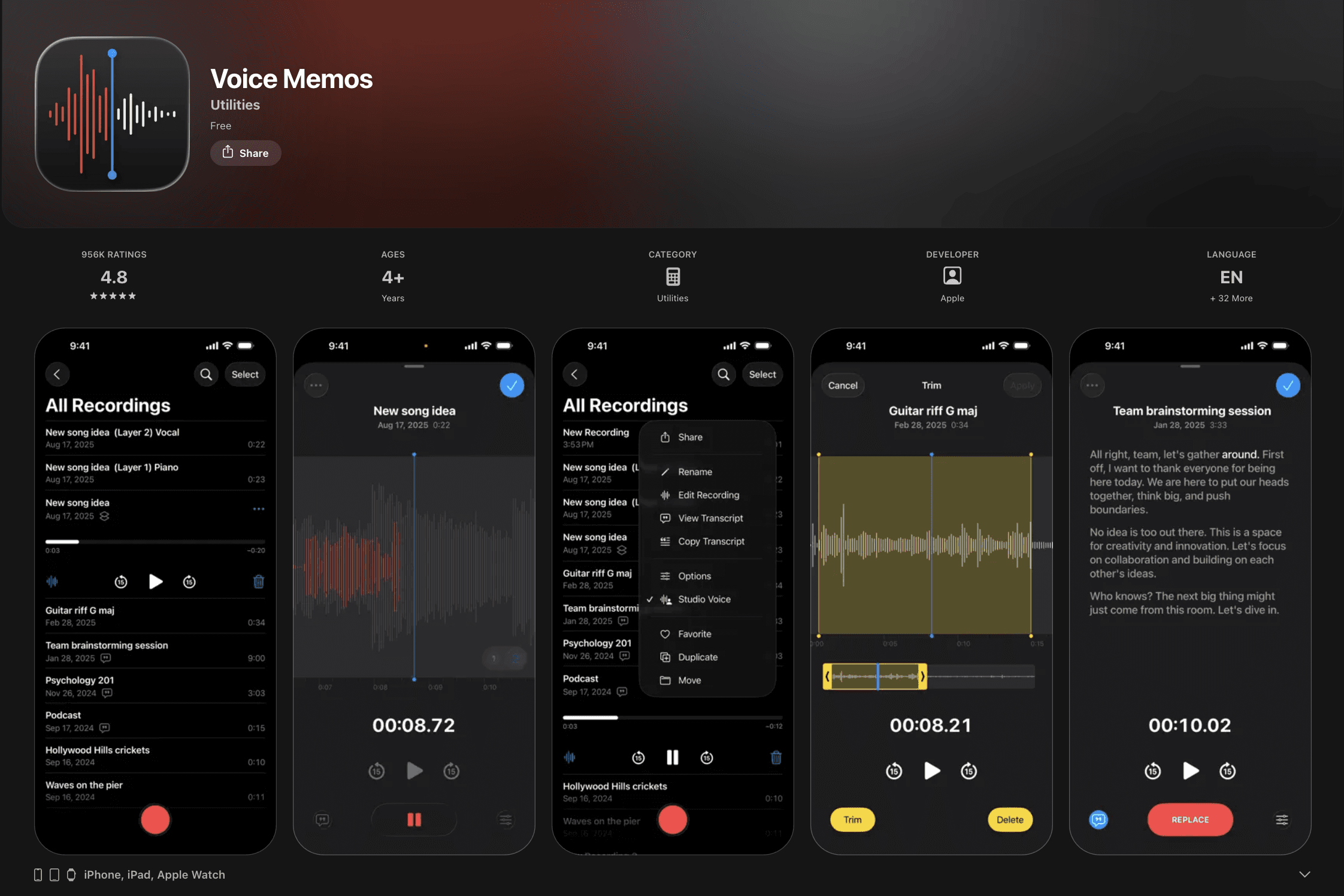
Voice Memos native iOS app with over 956K ratings
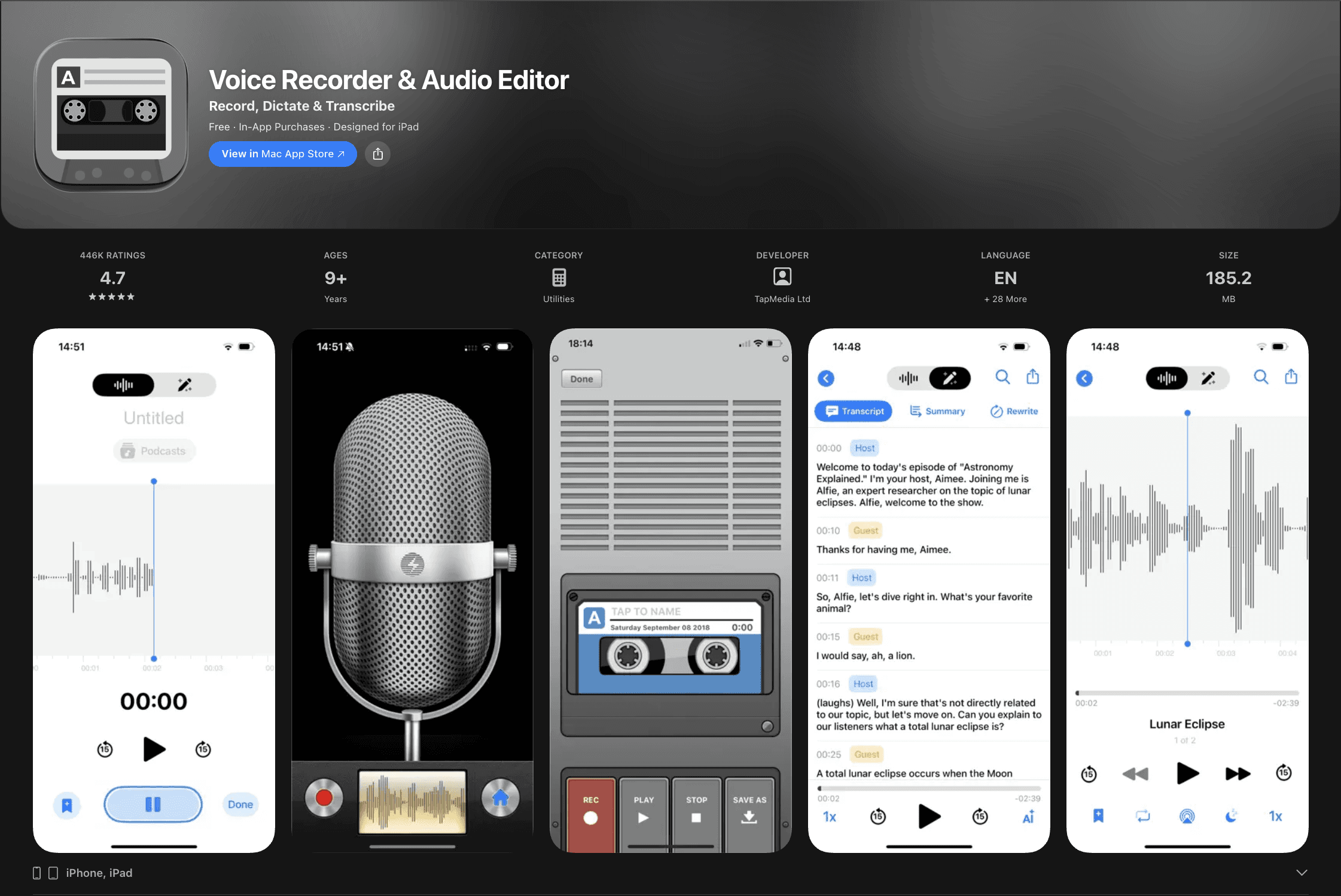
Voice recorder and audio editor for iOS with 446K ratings
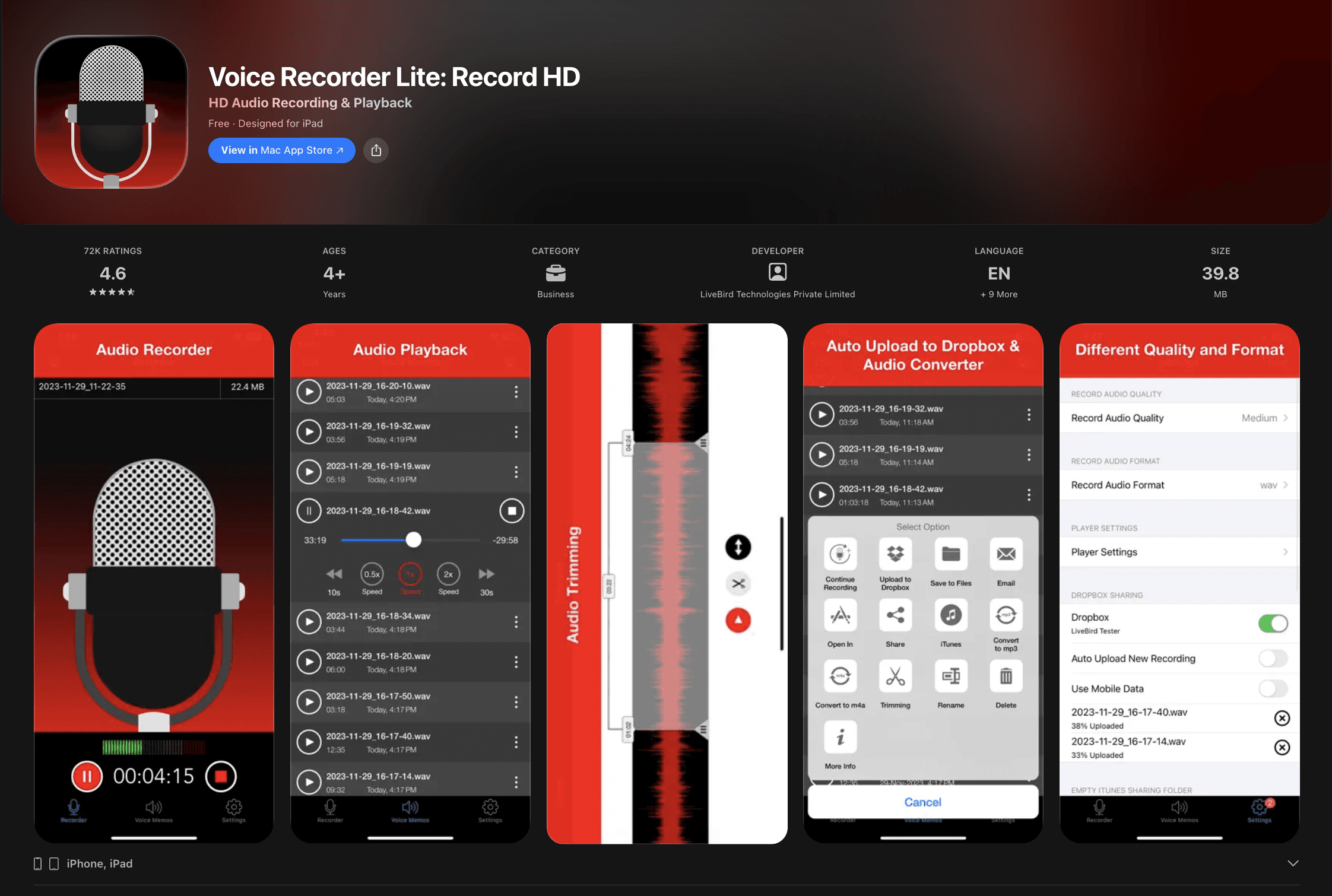
App Store research revealed a consistent pattern: most voice recorders optimize for functionality but lack visual identity. Voice Recorder Lite for iOS with 72K ratings
The goal was to explore whether modern AI-native tools could support the entire workflow, from exploration to interface design to implementation—without relying on conventional UI design pipelines. This forced the process to remain AI-first, shaping both the workflow and the artifacts produced along the way.
AI as a Design & Build Partner
Instead of a traditional design process moving from research to Figma to engineering, the workflow evolved into an AI-augmented exploration loop.
I used Weavy, a node-based AI workspace, to create a visual design exploration board. Each node explored different aspects of the product.
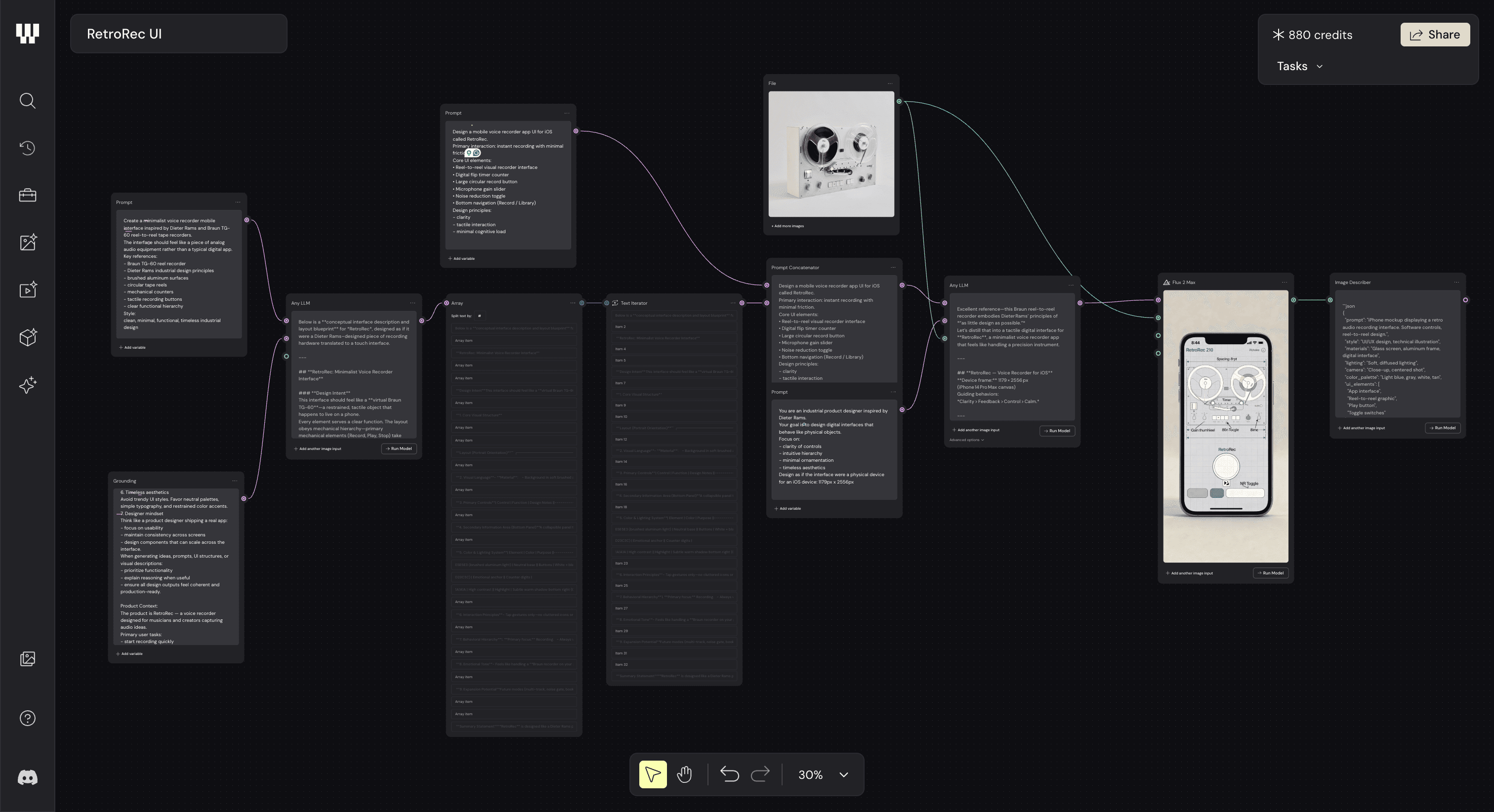
Braun product references, interface layout explorations, tape-recorder metaphors, interaction patterns, and developer-ready JSON outputs. View in Weavy
Every output required selection, critique, and refinement. AI accelerated exploration, but taste and judgment guided the direction. This approach allowed me to move through dozens of interface concepts quickly before narrowing the design to a minimal control surface centered around recording.
From Design to Working App
Once the visual concept stabilized, I moved into implementation. Using VibeCode, an AI-assisted app builder for iOS, I translated the wireframe into a functional interface. The goal was not simply to generate UI, but to ensure the interactions felt intentional and coherent.
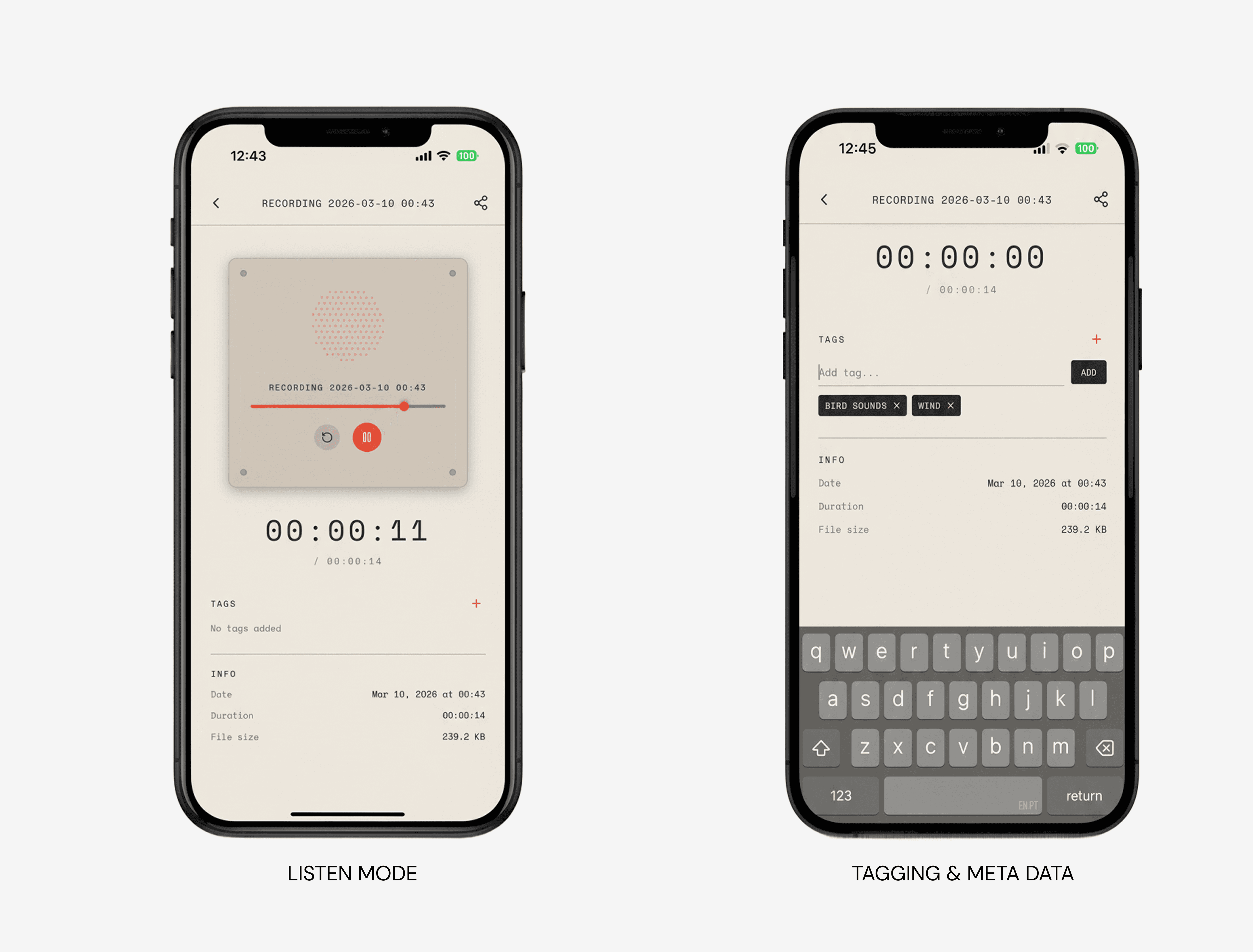
Hardware cues, Braun-inspired speaker grid textures, and a minimal control hierarchy focused on recording and playback.
Several design details helped reinforce the Braun inspiration. The result was a recorder that feels simple, focused, and slightly nostalgic without becoming purely skeuomorphic.
Launching the App
Once the build stabilized, the app was distributed via TestFlight and submitted for App Store review. RetroRec explores how AI is reshaping the designer’s role in product creation—expanding what designers can build independently while still relying on human judgment. For me, it marks a shift from designing interfaces to designing and shipping products.