Evolving Design at Travelopia
Travelopia • Design Manager
Luxury travel looks effortless. But it isn’t. Over six years, we built and scaled the design organisation from zero to eight designers across Travelopia's luxury travel portfolio.
Learn more about corporate cards
The Structural Challenge: Siloed Brands & Agency Dependency
Each brand operated independently and worked with different agencies, often chosen based on budget rather than long-term system thinking. Over time, this led to inconsistent UX patterns, fragmented performance standards, and growing vendor dependency.
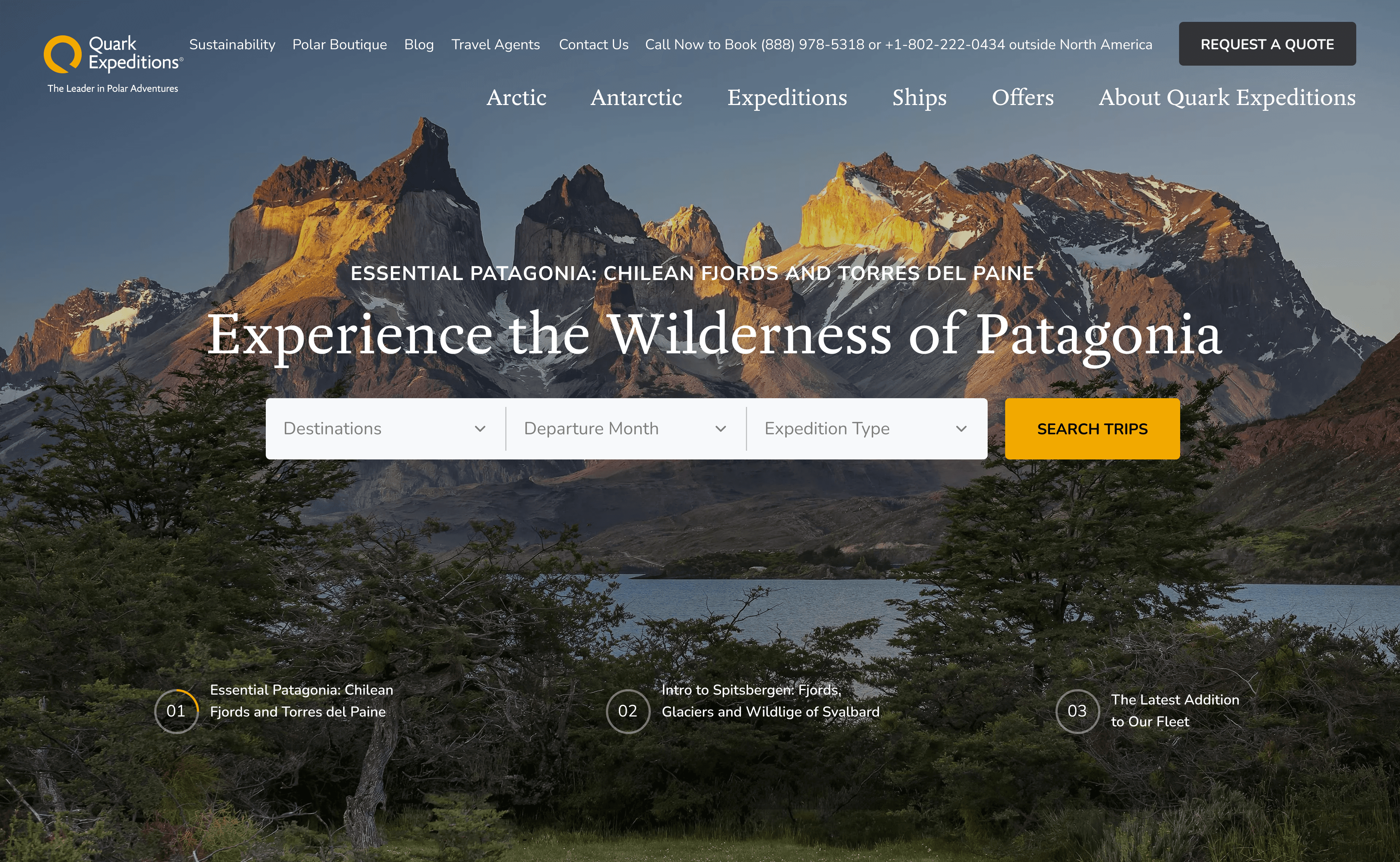
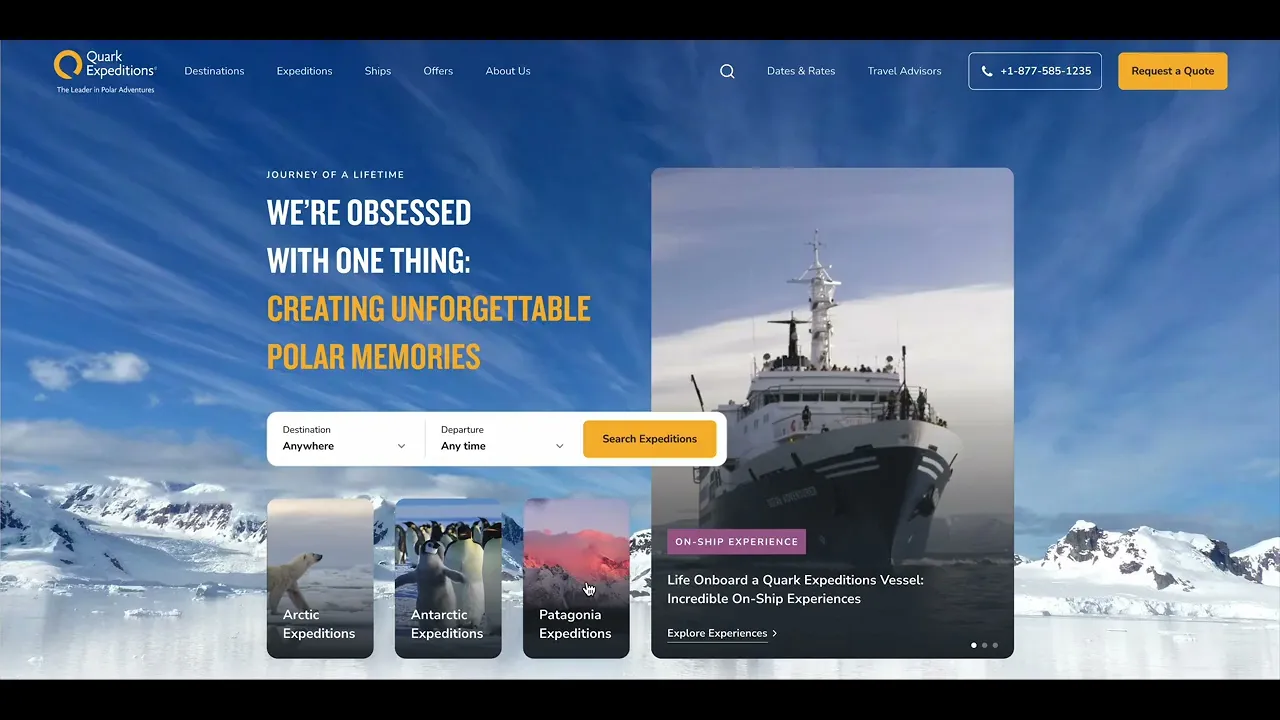
Design supplied by the agency in 2024
Design wasn’t just underperforming, it also lacked governance. Before redesigning interfaces, we needed to redesign how design operated across the portfolio.
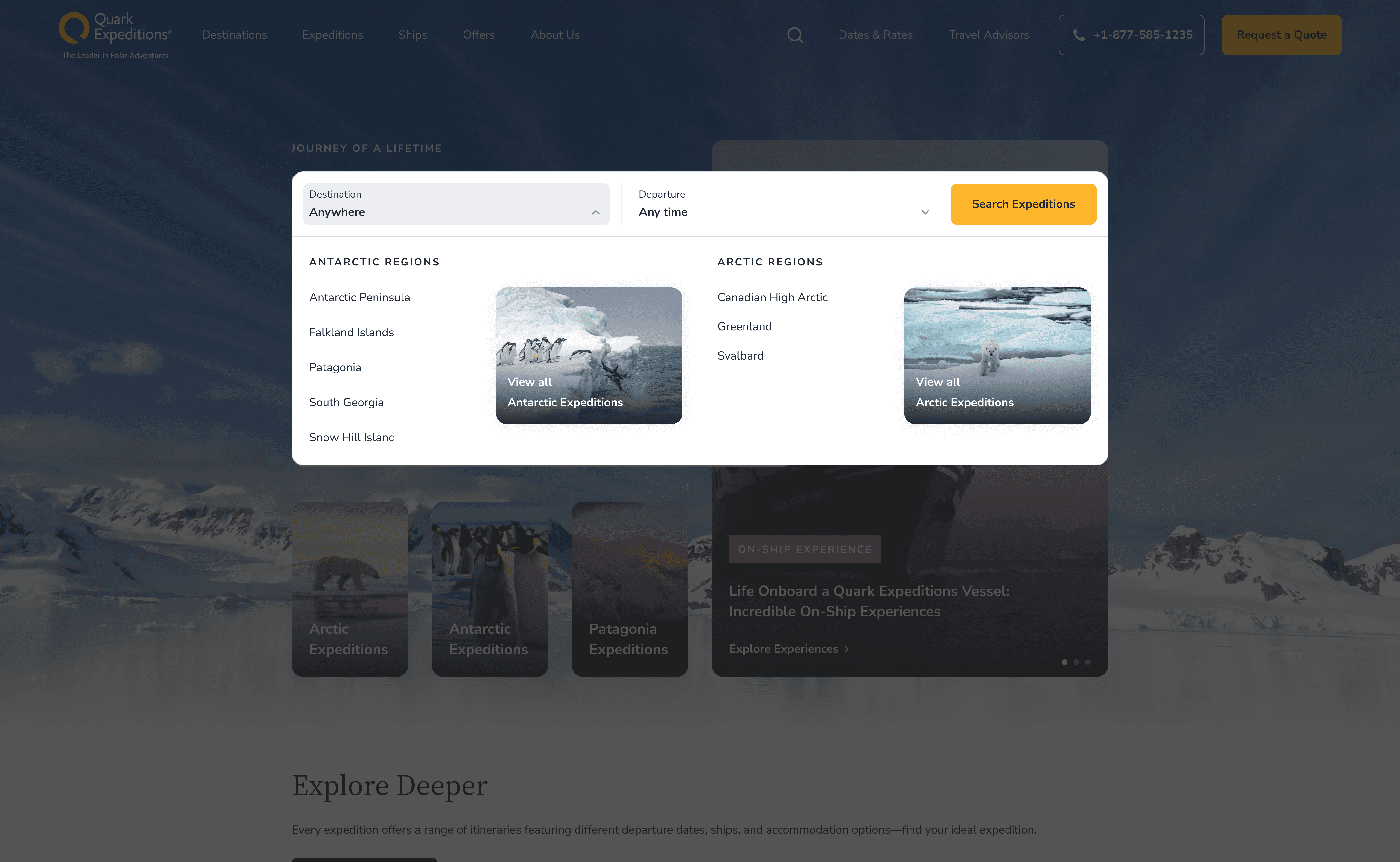
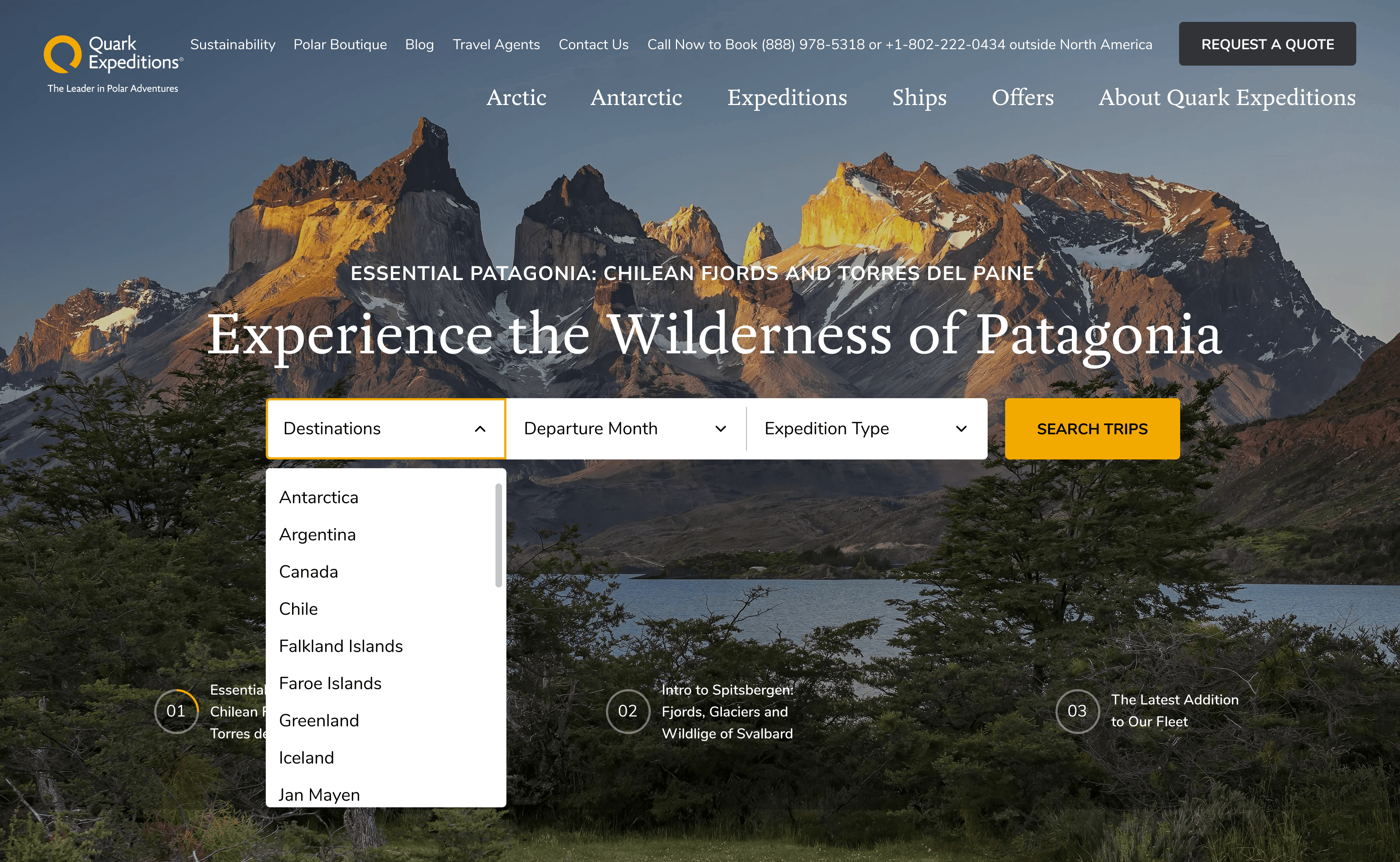
A glimpse of designs developed by the in-house design team in 2024
Building the Design Organization from Zero
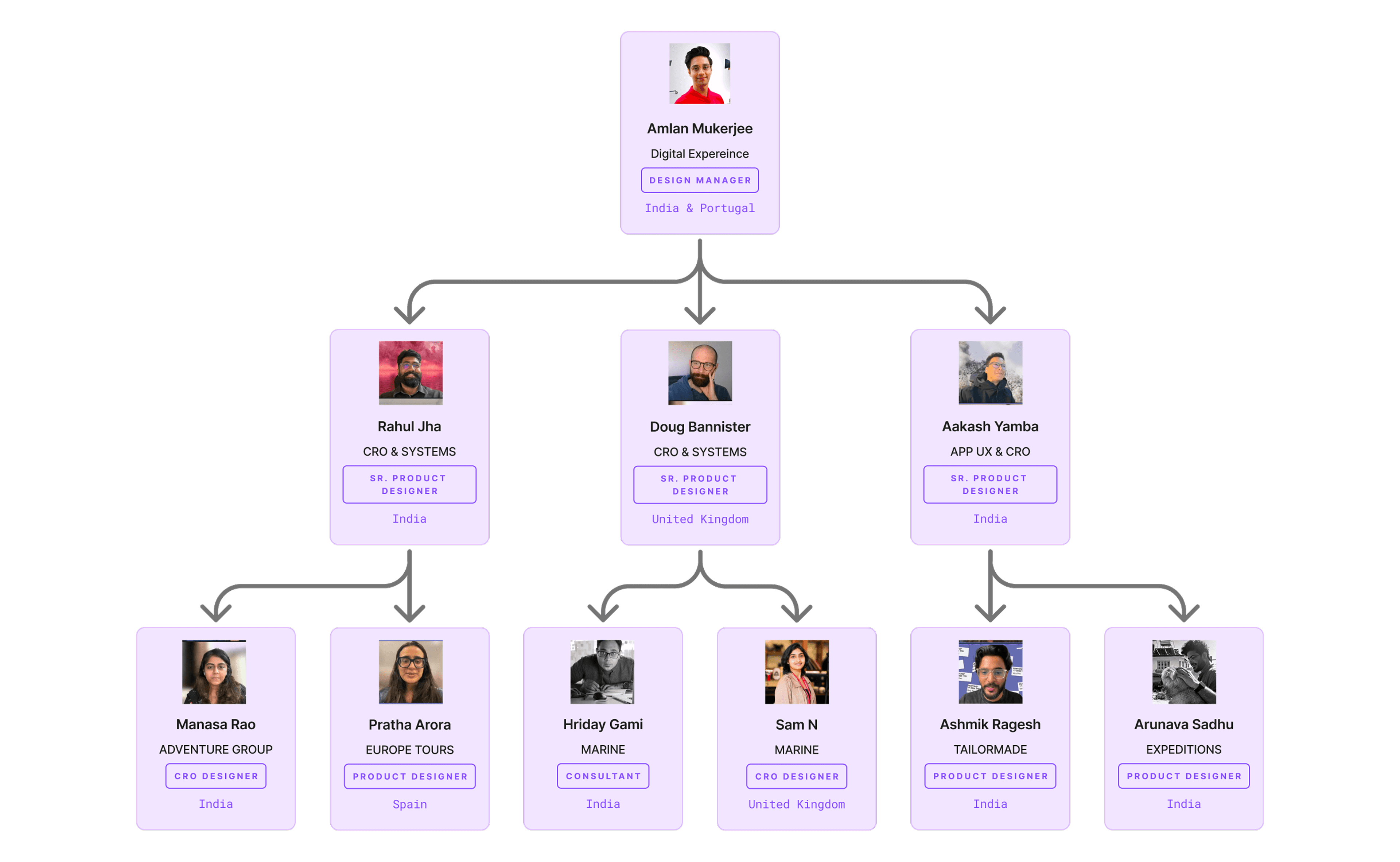
In year one, I worked alone. By year six, the team had grown to eight designers across the North America, EMEA and India, supported by consultants and managed vendors. The growth was steady 0 → 2 → 5 → 8 → 10 designers.
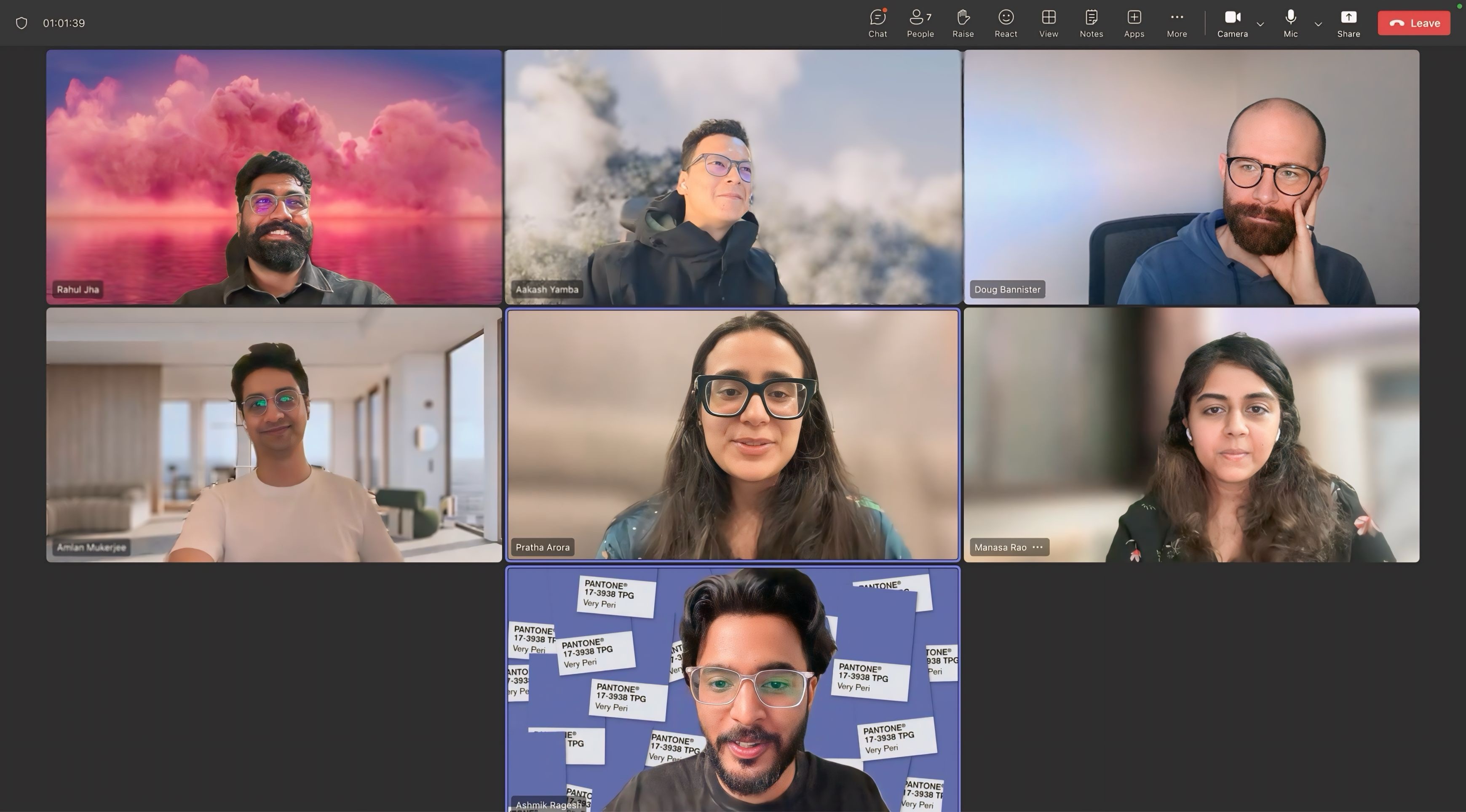
As maturity increased, roles evolved from generalists into specialists aligned with business priorities — design systems, CRO experimentation, automation/AI integration, and senior brand-aligned product designers.
I introduced hiring scorecards, structured performance reviews (annual + quarterly), KPI-linked evaluation, and regional salary benchmarking guidance. Two designers were promoted into senior roles under my leadership; two exits were managed after extended coaching cycles to maintain standards.
Governance in a Legacy Ecosystem
There was no historical design system or infrastructure to support one. Rather than impose a rigid portfolio-wide layer, we built brand-adaptable governance grounded in shared principles.
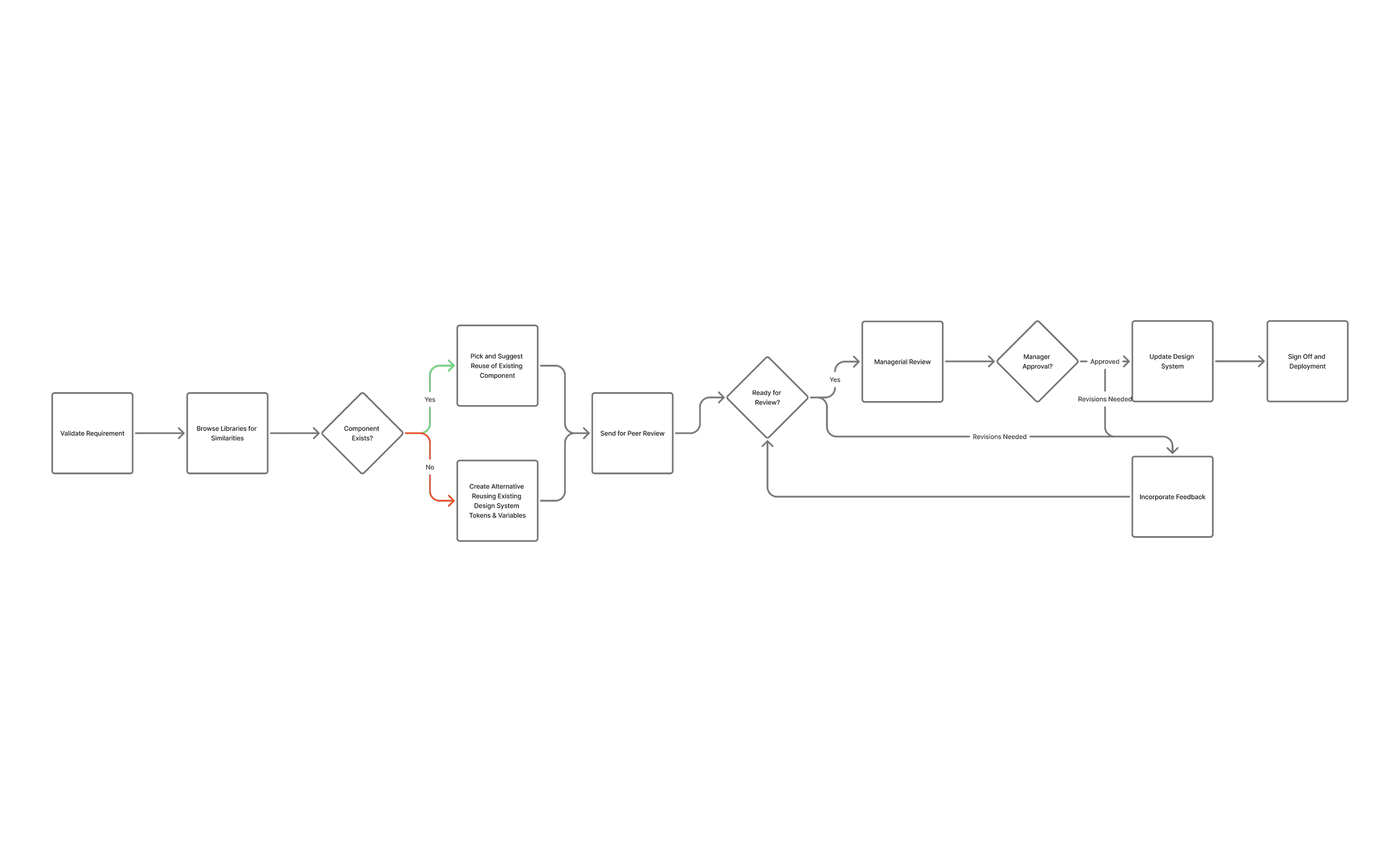
Using React and Tailwind tokens, we gradually introduced reusable components. Adoption required patience. Legacy infrastructure often resisted modernization, so we relied on small proof-of-concept experiments to demonstrate measurable KPI movement.
Reclaiming Strategic Ownership from Agencies
The inflection point came when design aligned directly with commercial metrics. In initiatives such as the Quark Expeditions and TCS World Travel website transformation, we restructured funnel architecture, RAQ journeys, SEO alignment, and CMS migration alongside e-commerce rebuilding. The results were measurable:
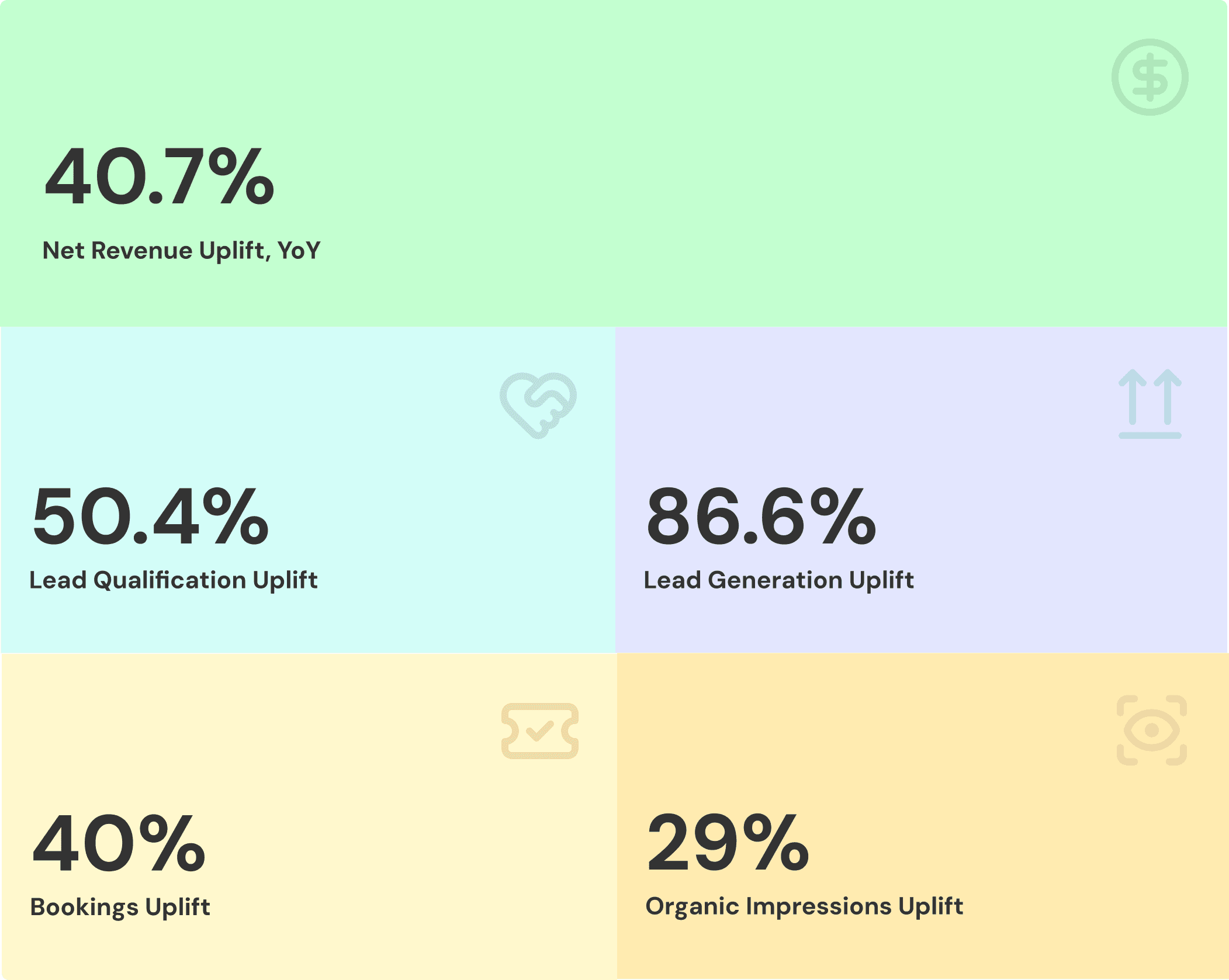
Operationally, delivery resolution improved by 82%, and concept-to-approval cycles accelerated by 50–60%. Design moved from execution layer to commercial multiplier.
Navigating Complexity
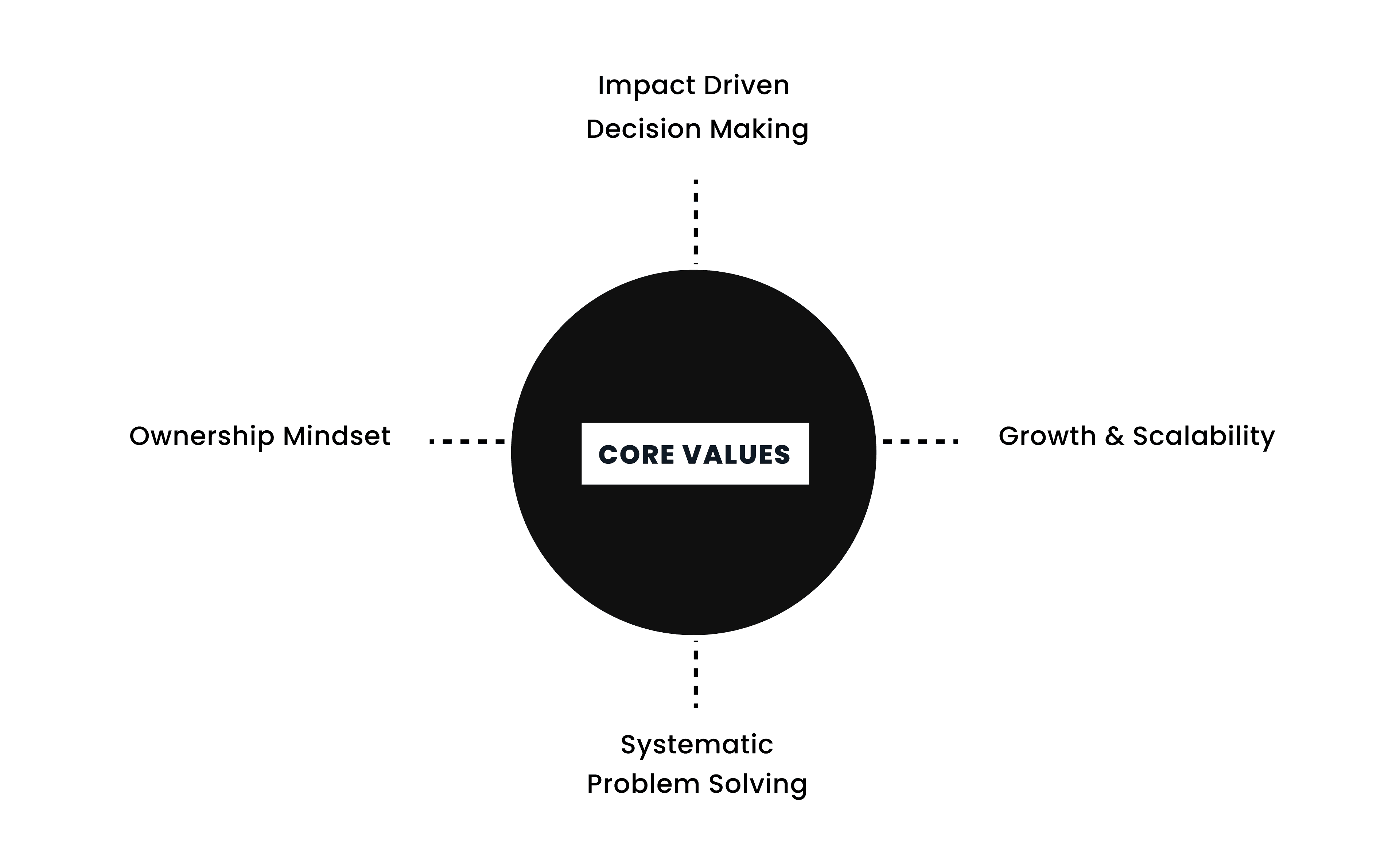
The biggest challenges were structural — legacy systems, tighter budgets, and uneven maturity. Through incremental proof and disciplined focus, we built a self-sustaining design function and strong core values.
Culture, Ethos & Teamwork
Structure alone does not scale — culture does. We introduced mandatory quarterly workshops, AI enablement during early skepticism, hackathons, and a pod leadership model.
Quark Expedition AI Hackathon, 3 days, May 2025
Designers began mentoring each other, presenting to C-suite stakeholders, and defending KPI narratives independently.
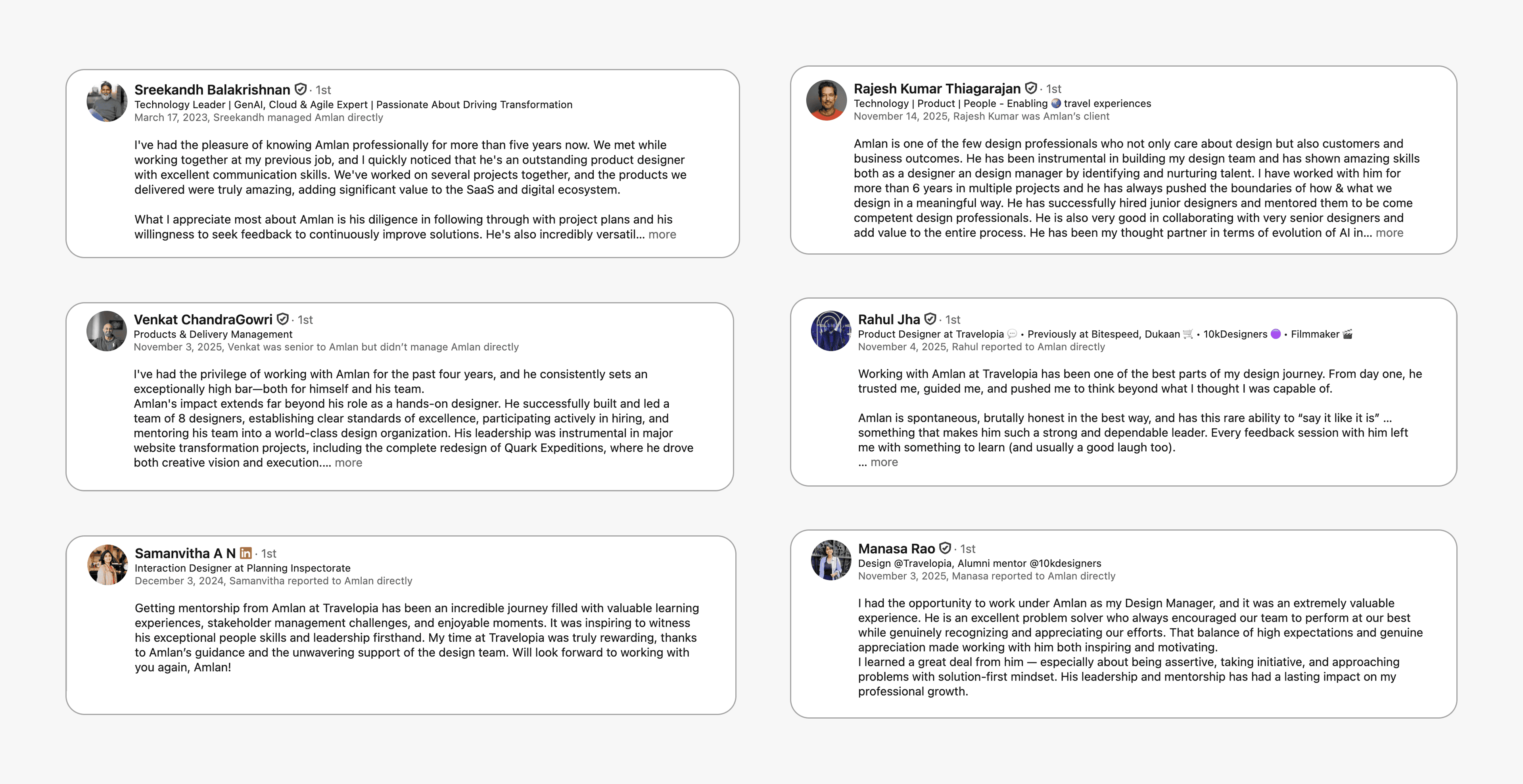
Kind words from key stakeholders and team members
Leadership evolved from hands-on execution to trust-based autonomy. By year six, the organization had a functioning, self-sustaining design engine.

Beers, Bowling and Team Bonding.